Can Samsung Galaxy A Series Sustain Its Momentum in Eroding Apple’s Mid-Range Market Share?
The global mid-range smartphone segment, a key battleground for market share and profitability, is witnessing an intense rivalry between Samsung and Apple. Samsung’s Galaxy A series has emerged as a formidable challenger, steadily gaining traction and threatening Apple’s long-standing dominance in the $400-$800 price bracket. As 2025 unfolds, a critical question looms: Can the Galaxy A series maintain its upward trajectory and continue to squeeze Apple’s mid-range market share? This article delves into the strategic advantages of Samsung Phones, market dynamics, and competitive pressures shaping this pivotal showdown.
Flagship fatigue has evolved from a regional trend to a global phenomenon, reshaping how users perceive premium smartphones. In 2025, even as brands like Samsung launched innovative flagships such as the Galaxy S25 Ultra and the Galaxy Z TriFold, the market response tells a different story. Counterpoint Research data reveals that none of Samsung’s flagship models made it to the global top 10 best-selling list in Q3 2025, while Apple’s high-end iPhone 16 series also faced slower growth. Consumers are increasingly questioning the value of flagship devices priced above $800, as generational upgrades have become incremental—minor camera improvements or slightly faster chips no longer justify the steep price tags. This shift has paved the way for Samsung’s mid-range Galaxy A series to take center stage, with models like the A16 5G and A56 5G dominating sales charts and accounting for over 60% of Samsung’s global shipments.The foundation of Samsung’s mid-range offensive lies in its ability to democratize premium features, a strategy that has resonated deeply with value-conscious consumers. Unlike Apple, which has historically reserved cutting-edge technologies for its flagship iPhone lineup, Samsung has aggressively (democratized) AI capabilities and high-end functionalities to the Galaxy A series. The 2025 iterations, including the Galaxy A56 5G and A36, come equipped with Awesome Intelligence—a suite of AI tools previously exclusive to Samsung’s flagship S series. These features, such as Smart Visual Editing, Best Face synthesis, and on-screen Circle to Search, deliver a premium user experience at a fraction of the cost of Apple’s mid-tier offerings like the iPhone 16e.
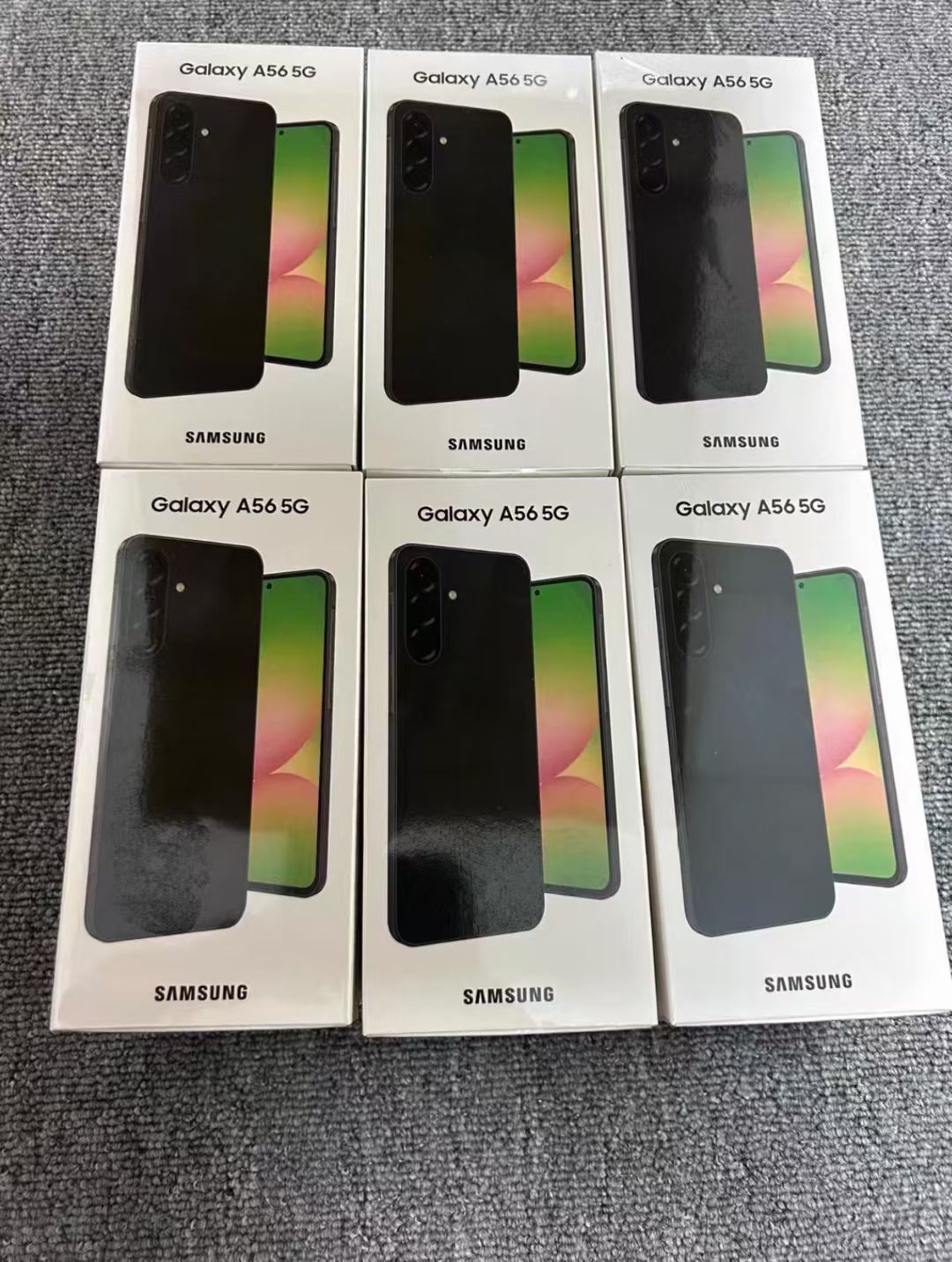
Market data underscores the effectiveness of Samsung’s strategy. According to Counterpoint Research’s Q3 2025 global smartphone rankings, Samsung’s Galaxy A series dominated the mid-range segment, with five models (A16 5G, A06, A16 4G, A36, A56) securing spots in the global top 10 best-sellers—outpacing Apple’s mid-tier iPhone 16e, which ranked fourth. Notably, the Galaxy A56 5G has outperformed Apple’s mid-range offerings in key European markets, while closing the gap in Asia, driven by its compelling value proposition: 6 years of OS upgrades, 5000mAh long-lasting battery, 45W fast charging, and IP67 water resistance—features that Apple’s mid-range models lack or offer at a higher price point. Samsung’s vertical integration advantage, spanning display, chip, and battery production, further enables it to maintain competitive pricing without compromising quality, a edge Apple struggles to match.
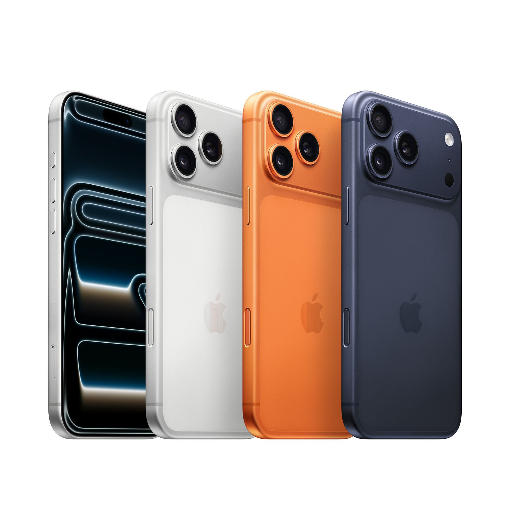
However, sustaining this momentum is not without challenges. Apple’s unwavering brand loyalty remains a significant barrier; many consumers are willing to pay a premium for the seamless ecosystem integration between iPhones, Macs, and iPads. Additionally, Apple has responded to Samsung’s threat by launching the iPhone 16e, a mid-range model designed to expand its AI user base—mirroring Samsung’s strategy of making AI more accessible. Moreover, Apple’s strong performance in high-growth markets like India, fueled by (festival promotions), poses a challenge to Samsung’s A series expansion.
Looking ahead, Samsung’s ability to sustain its mid-range offensive hinges on three key factors. First, continuing to innovate and expand AI capabilities in the A series will be critical to differentiating from Apple. Second, leveraging regional customization—such as multi-card support, localized after-sales services, and durable designs tailored to emerging markets—will help capture price-sensitive consumers. Finally, maintaining its pricing advantage while upholding long-term software support will reinforce the value proposition of Samsung Phones.
In conclusion, the Galaxy A series has already made significant inroads into Apple’s mid-range territory, driven by democratized AI, competitive pricing, and user-centric features. While Apple’s brand loyalty and ecosystem strength present formidable obstacles, Samsung’s strategic agility and vertical integration give it a viable path to sustain growth. For consumers seeking premium features without the flagship price tag, Samsung Phones’ Galaxy A series remains a compelling choice—and for retailers, it represents a high-growth segment in the global smartphone market. The rivalry is far from over, but all signs point to the Galaxy A series continuing to pressure Apple’s mid-range dominance in the foreseeable future.